

CompanyBelgium
🇧🇪 Kingdom of Belgium

Belgium and its three regions

At the heart of Europe, Belgium is a federal state made up of three regions with strong identities. Our database lists more than 1,955,471 active Belgian companies spread across the entire territory.

11,7M

Inhabitants

30 688 km²

Total area

3

Official regions

3

Official languages

A federal state in the heart of Europe

Located in Western Europe, Belgium is a federal kingdom bordering the Netherlands, Germany, Luxembourg and France. Its capital, Brussels, hosts the main institutions of the European Union and NATO, making the country a major political, economic and cultural crossroads.

Since state reform, Belgium has been organised into three regions — Brussels-Capital, Flanders and Wallonia — each with its own powers over economy, employment, spatial planning and research. This federal structure is also reflected in the distribution of businesses, which can be consulted via the Crossroads Bank for Enterprises (BCE/KBO).

The three regions of Belgium

Explore the economic and cultural specificities of each region and access the directory of local companies.

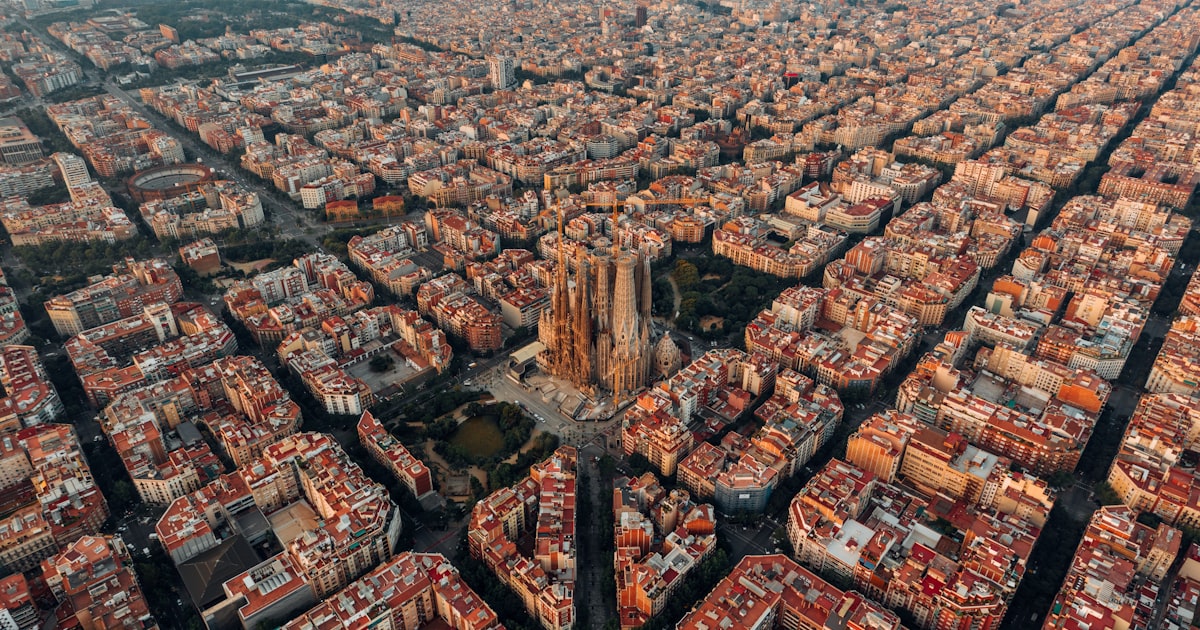
View of the Brussels-Capital Region, Belgium's economic and European heart
Capital of Europe

Brussels-Capital Region

Brussels-Capital is the smallest yet densest of Belgium's three regions. As the political heart of the European Union, it concentrates strong tertiary activity: international institutions, financial services, consulting, technology and civil society. Its 19 municipalities form a bilingual French-Dutch region.

Main city
Brussels
Population
1,24M
Area
162 km²
Languages
French, Dutch
  • Headquarters of the European institutions, NATO and many international federations.
  • Economy dominated by services, finance, consulting and the public sector.
  • Dynamic ecosystem of startups and tech incubators.

See companies in Brussels-Capital Region
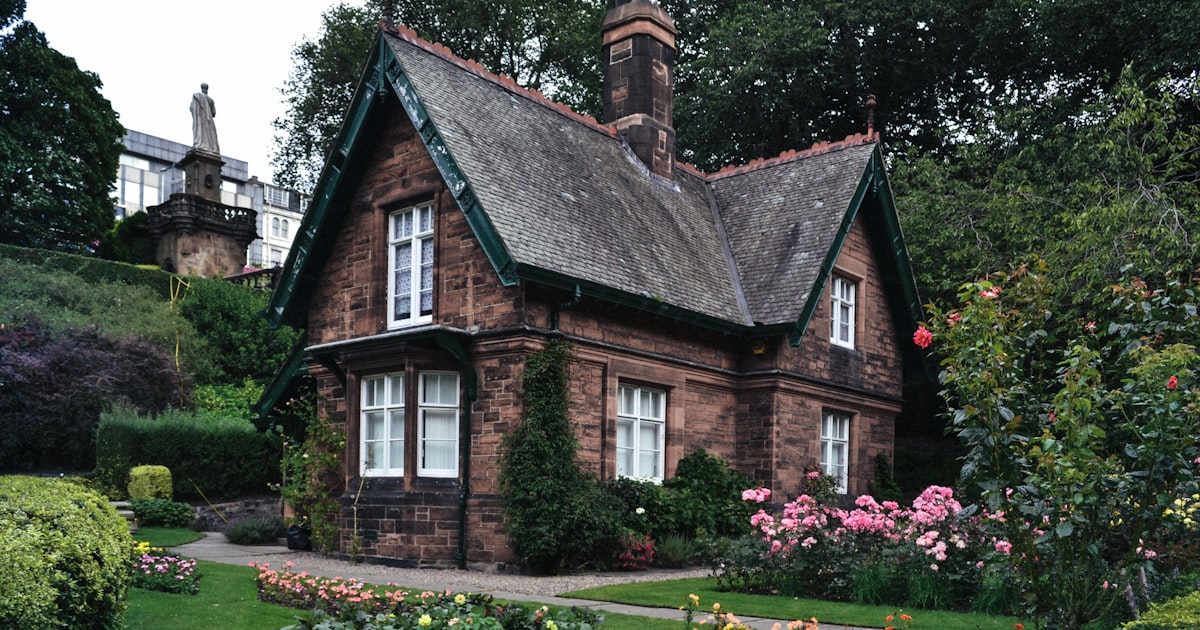
Iconic landscape of the Flemish Region in Belgium
Economic powerhouse

Flemish Region

Flanders, in the north of the country, is the most populous region and Belgium's main economic engine. It stands out for its major ports (Antwerp, Zeebrugge), its pharmaceutical and chemical industry, advanced logistics and technology clusters. Dutch is the official language.

Main city
Brussels (capital)
Population
6,82M
Area
13 522 km²
Languages
Dutch
  • Port of Antwerp — Europe's second largest port and a global logistics hub.
  • Highly developed pharmaceutical, chemical and high-tech industries.
  • Major historic cities: Ghent, Bruges, Leuven, Mechelen.
See companies in Flemish Region
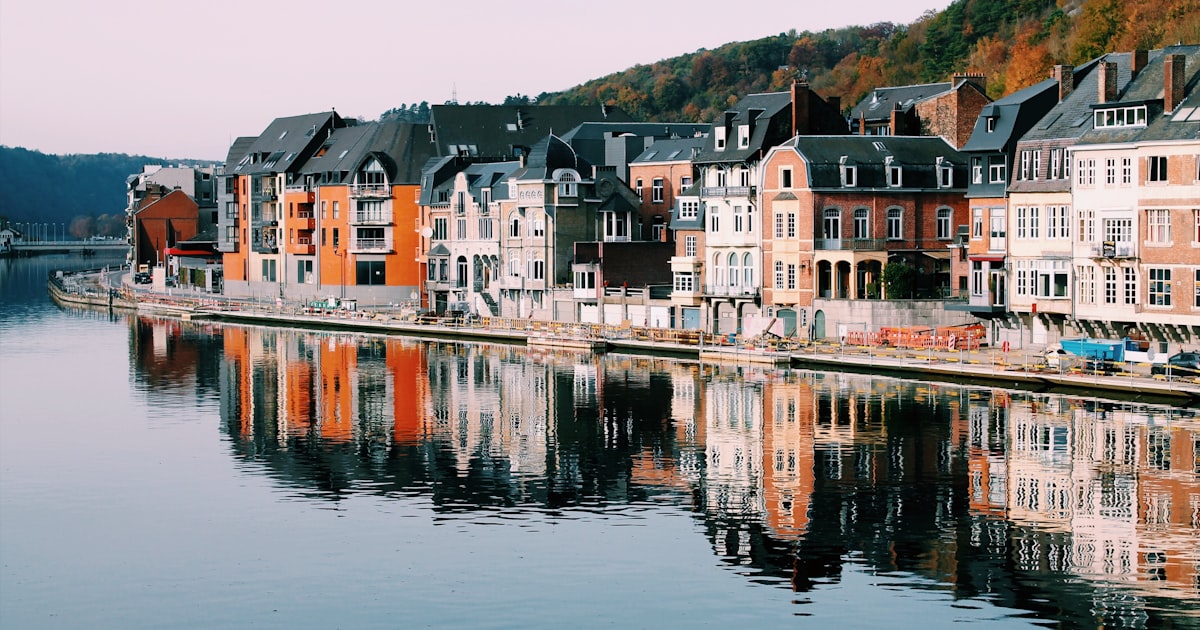
Distinctive landscape of Wallonia, in the south of Belgium
Heritage and innovation

Walloon Region

Wallonia, in the south of the country, combines industrial heritage, rolling landscapes and emerging innovation clusters. Historically the cradle of Belgium's industrial revolution, it now invests in biotechnology, aerospace, agri-food and digital. French is the official language, with a German-speaking community in the east.

Main city
Namur
Population
3,65M
Area
16 901 km²
Languages
French, German
  • Competitiveness clusters in biotech, aerospace and agri-food.
  • Major economic cities: Liège, Charleroi, Namur, Mons.
  • UNESCO heritage and growing tourism in the Ardennes.
See companies in Walloon Region

Main Belgian cities

Browse the country's major economic cities and access the list of companies registered there directly.

Frequently asked questions about Belgium

How many regions does Belgium have?

Belgium is made up of three official regions: the Brussels-Capital Region, the Flemish Region (Flanders) and the Walloon Region (Wallonia). Each region has its own government and specific powers defined by the Constitution.

What are the official languages of Belgium?

Belgium recognises three official languages: Dutch (mainly spoken in Flanders), French (in Wallonia and Brussels) and German (in the German-speaking community in eastern Wallonia). Brussels is officially bilingual French-Dutch.

How do I search for a Belgian company by region?

You can use our search engine to filter Belgian companies by city, postcode, business sector (NACE code) or type of address. The data comes directly from the Crossroads Bank for Enterprises (BCE/KBO), the official source of the company register.

Is Belgium a good country to do business in?

Yes — Belgium benefits from a strategic position at the centre of Europe, top-tier logistics infrastructure, a single market of 450 million consumers and a stable legal framework. Each region also offers its own support for innovation and employment.

Access official data on Belgian companies

Over 2 million Belgian companies at your fingertips, updated daily via the BCE/KBO.